Canada WALKS

Imagine ... a
Canada where
we can easily and
safely walk to school,
work, play and transit.

Search our Site

Ontario Walkability
Award of Excellence

Canada Walks is excited to announce its Ontario Walkability Award of Excellence! The purpose of the award is to celebrate the good work that communities have been doing to improve walkability across the province. Read more.


WHO Event -
1,000 Cities / 1,000 Lives:
www.blip.tv/file/2618263

And how to organize a
Car Free Sunday to kick off
your 1,000 Cities event:
www.walkandbikeforlife.org
YES! We do support more
walkable communities
in Canada!
Show your support
for more walkable
public spaces by
completing our
quick survey.
Subscribe to our ENEWS

Email:  

Powered By SafeSubscribe
Canada WALKS

About Us

What is Canada Walks?

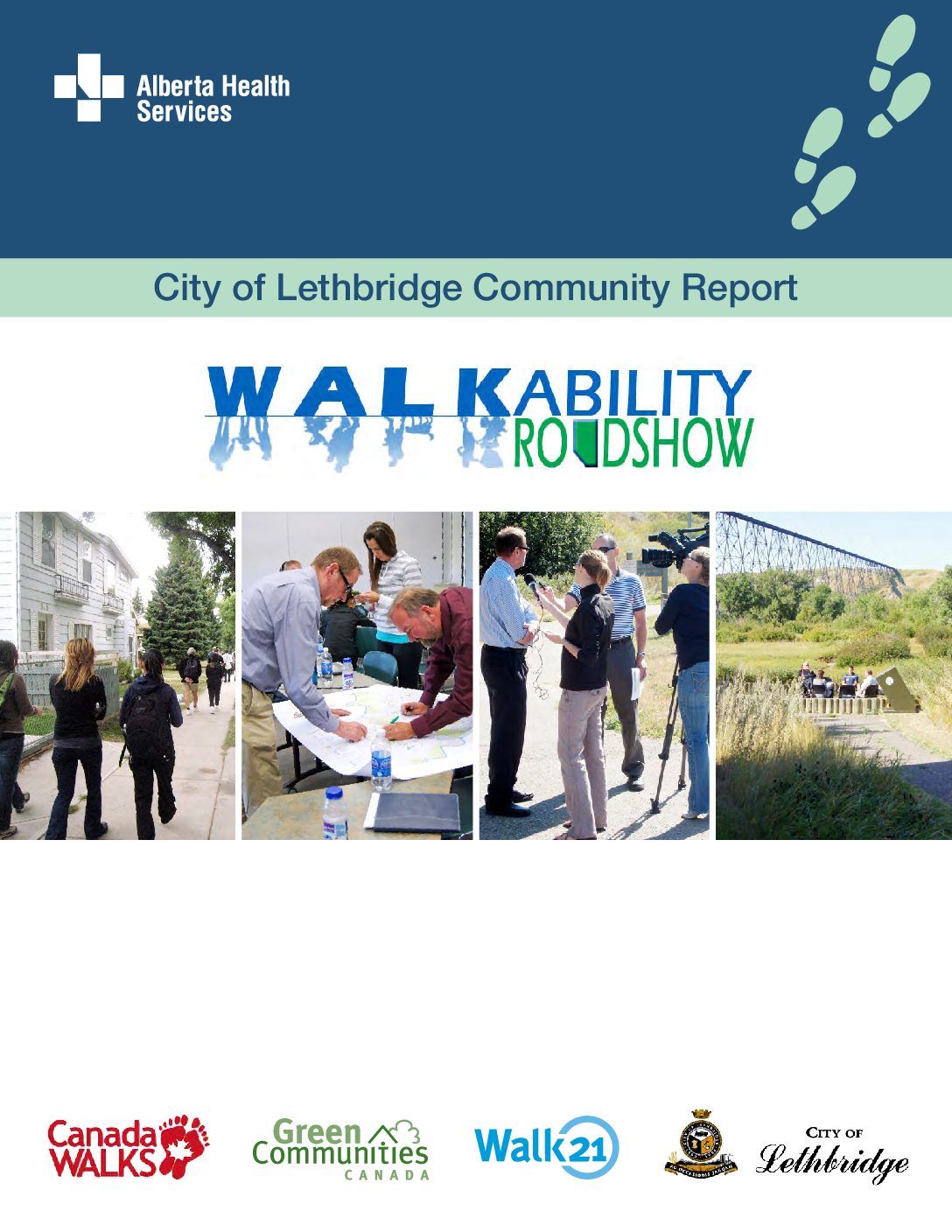
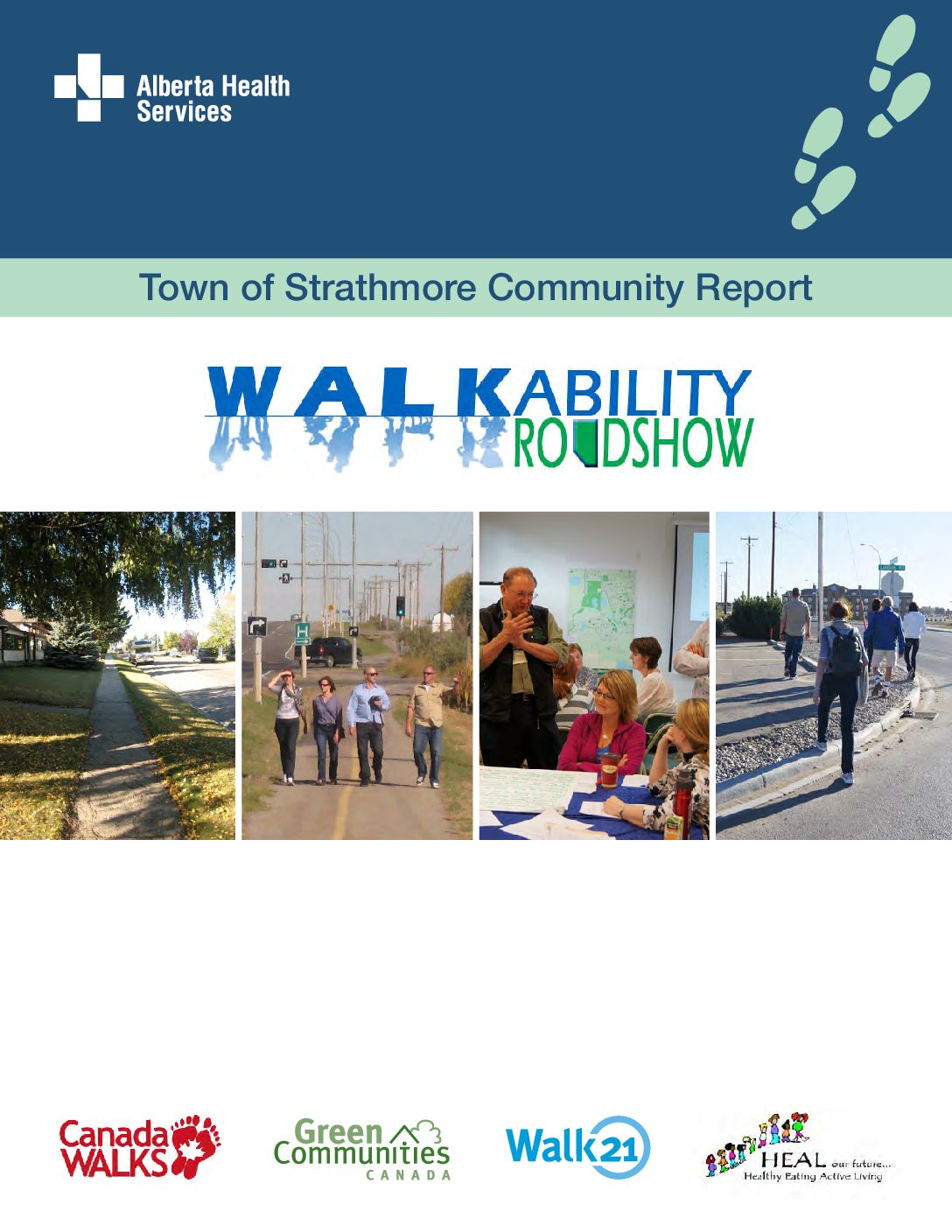
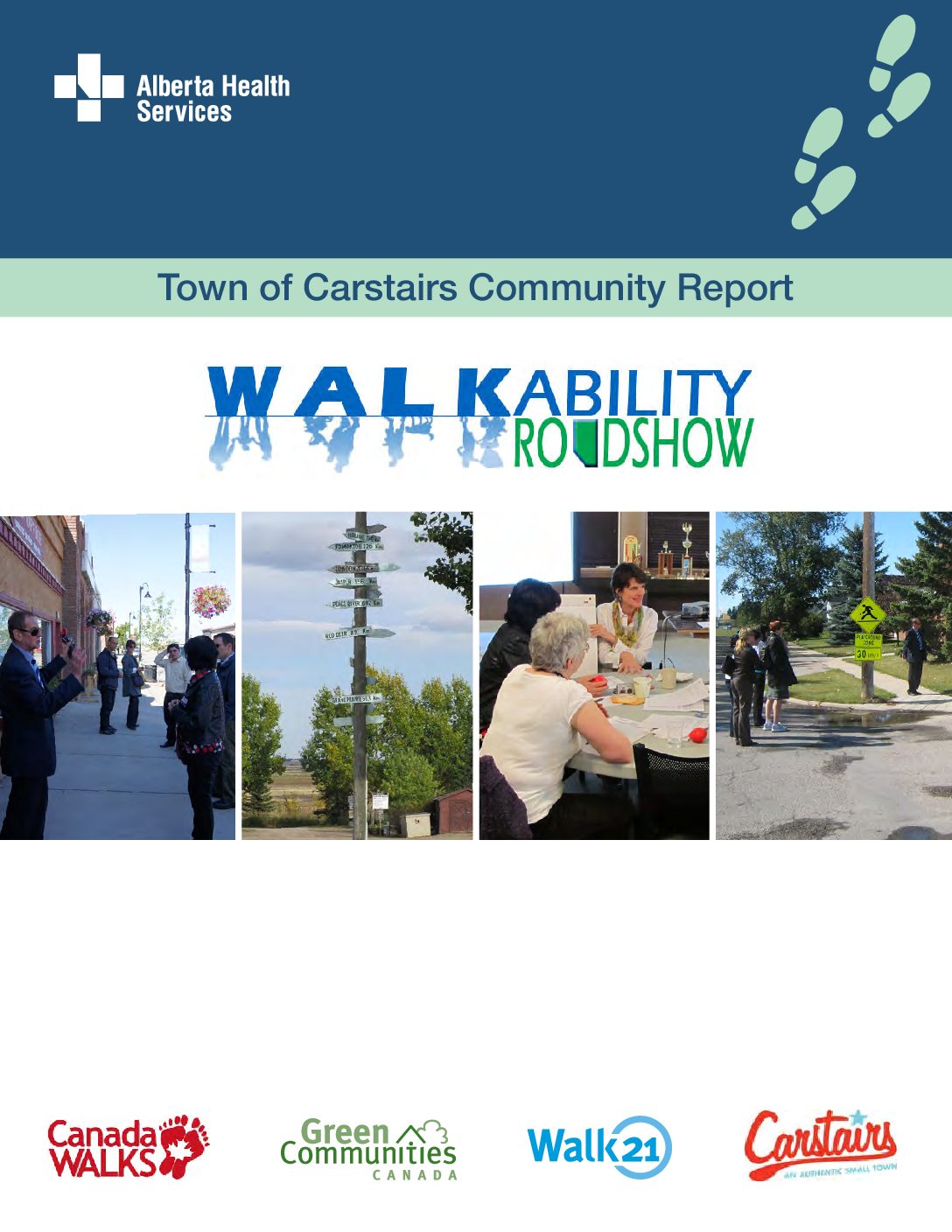
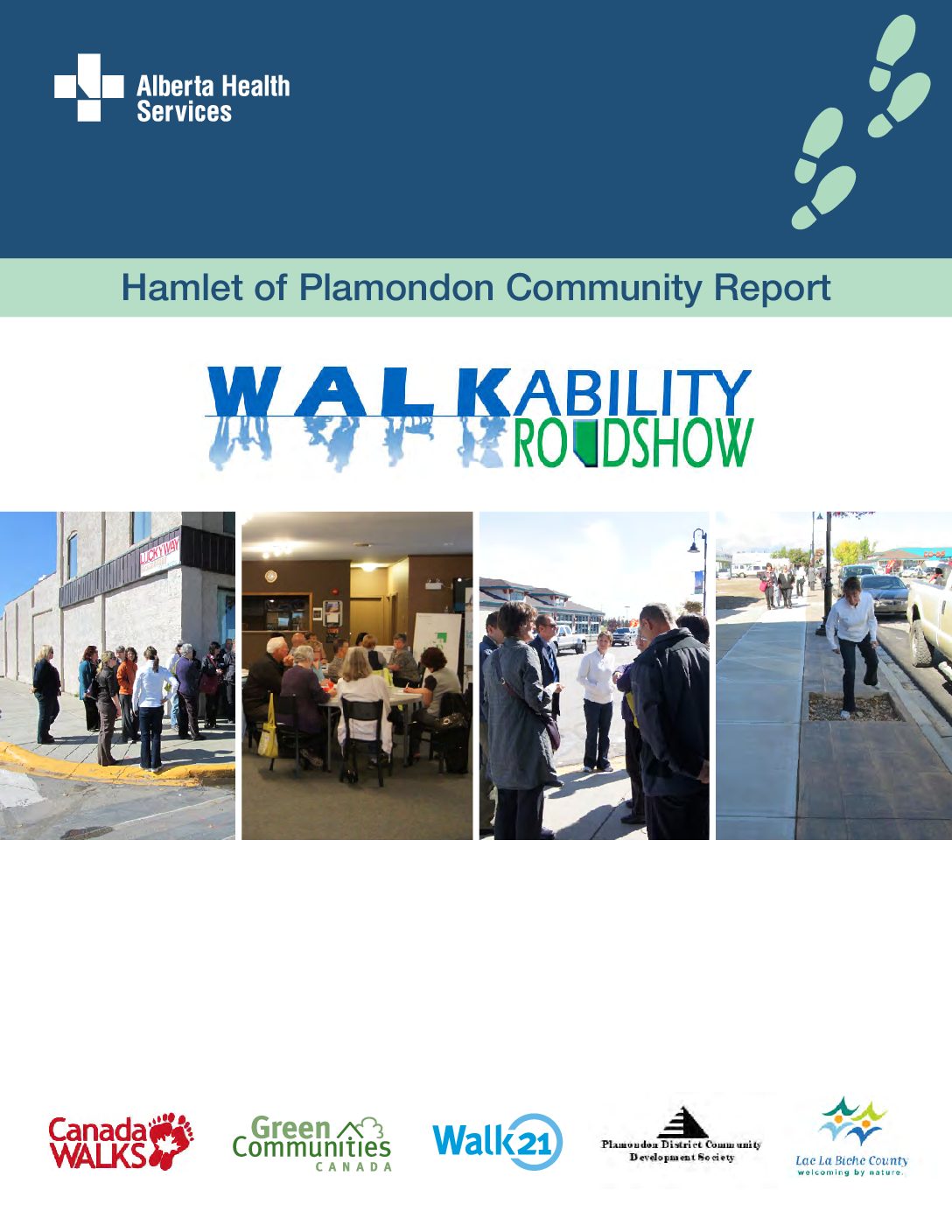
Canada Walks is an initiative of Green Communities Canada (www.greencommunitiescanada.org) and brings together a diverse group of projects whose focus is on promoting walking and walkable communities. The idea for Canada Walks was born out of the growing demand for knowledge, expertise and networks from organizations and communities across Canada. Our work with the Active & Safe Routes to School program (www.saferoutestoschool.ca), established in 1996; creation of a model framework for School Travel Planning in Canada; the successful attempt to make a new Guinness World Record (www.worldrecordwalk.ca) for the largest number of people walking 1 km at the same time; the Toronto Walk21 Conference (www.toronto.ca/walk21) co-hosted with City of Toronto; and the Walk21 Walkability Roadshow (www.canadawalks.ca/casestudies.asp), demonstrate our ability to reach out and engage multi-sectoral partners who share a common goal to create a culture of walking in Canada.

Canada Walks aims to showcase best practice in walkable communities using inspiring examples from Canada and around the world.

Canada Walks seeks to create communities in which active transportation is safe, practical, and inviting. Within this strategic vision, activities are organized both at the national level and within Ontario. An overarching strategy in all Canada Walks activities is the need to involve many players: municipalities, public health, recreation organizations, environment and citizen groups, schools, transportation and land-use planners, police, developers, parents, and all levels of government, etc.

This centre of excellence for walkability in Canada is evolving over time and we appreciate your feedback and ideas. Please send us examples of case studies and best practice projects in walking and walkability – we will consider them for inclusion on the site.

Download the Canada Walks Vision document Adobe PDF Adobe PDF (390 KB)

The Canada Walks Team

Jacky Kennedy, Director, Canada Walks
Jacky has initiated and managed several successful walking and walkability projects including the Active & Safe Routes to School program in Toronto in 1996; YWALK Youth initiatives; co-hosting Walk21 Toronto 2007 with the City of Toronto in October 2007; collaborating with Walk21 on a series of walkability initiatives including the Walk21 Canadian Walkability Roadshow; and managing the World Record Walk in October 2007. Jacky’s background is in project management at IBM but her children motivated her to join the environmental movement. Jacky has been involved in many successful sustainable community projects and this work led to Green Communities Canada. Jacky 'walks the talk' when it comes to Active Transportation, and enjoys cooking, good movies and fashion.

Amanda (Mandy) Johnson, Consultant, Walking Programs
Amanda (Mandy) Johnson. Over the course of a 30 year career in the fitness, recreation, and health promotion sectors, Mandy Johnson has worked as a fitness club owner/operator, a corporate health promotion manager, a senior manager in municipal recreation, a community college lecturer, and as a consultant with the Ontario Ministry of Health Promotion. Mandy's company, Active by Nature, provides consulting services related to Active Living, with special emphasis on Active Transportation. With Green Communities Canada, Mandy has been able to combine her passion for health and fitness (especially walking) with her concern for the environment and is currently working on the Ontarians Walking Now (OWN) and Ontario Communities walkON projects. Mandy loves being active outdoors whatever the season or weather. She enjoys hiking, urban poling, canoeing, camping, cycling, snowshoeing and skiing.

What is a walkable community?

Rather than recreate the wheel we believe that our partner, walkON, says it best here.

Why are walkable communities important?

Walkable communities are vitally important because a community that supports walking as a primary mode of transportation reaps benefits in the areas of health, the environment, transportation management, social cohesion, fuel dependency, safety and happiness:

  • Health: People who live in walkable communities are 2.4 times more likely to get the required daily amount of physical activity (Healthy Weights for Healthy Kids: Report of the Standing Committee on Health, 39th Parliament, 1st session, Government of Canada).  Daily physical activity results in reduced obesity levels and reduced health risks for diabetes and heart disease;
  • Environment: Replacing short car trips with walking can improve local air quality and reduce greenhouse gas emissions, helping Canadians meet climate change objectives economically. A short trip on foot to school by 9 families participating in a 'walking school bus' can reduce greenhouse gases by 1,000 kg over one year (www.saferoutestoschool.ca);
  • Transportation Management: Walkable communities can result in a significant modal shift from autos to walking for short trips, easing traffic congestion, reducing the need for more road infrastructure, and reducing road maintenance costs;
  • Social Cohesion: The increased social interaction resulting from increased walking in a community promotes social cohesion, as well as community belonging, pride, and spirit (Leyden,K. Social Capital and the Built Environment: The Importance of Walkable Neighbourhoods, American Journal of Public Health 2003; 93: 1546 -51);
  • Fuel Dependency: Oil is a limited resource. By shifting short trips from autos to walking, we decrease consumption of oil, reducing oil dependency and resulting in cost savings for families;
  • Safety: More people walking the streets means there are more eyes on the streets and with more eyes on the streets, there is less crime and vandalism. With improved walking infrastructure, injuries sustained in traffic accidents are decreased as are slips and falls on sidewalks. With more people walking, drivers become more accustomed to seeing pedestrians and are less likely to have an accident involving pedestrians;
  • Economy: Walkable business districts encourage spending in local stores and restaurants more so than increasing traffic flow; walkable communities have enhanced tourism potential; by increasing the health of Canadians, we can reduce health care costs associated with chronic disease; the increased safety from having more eyes on the street results in decreased community spending on vandalism and crime;
  • Happiness: Walkable communities are often joyful places that people delight to be in. Walkable communities can be desirable places to live and result in higher property values (www.bikewalk.org).
  • Age Friendly: The Ontario population is aging. The population of seniors is expected to double in the next 16 years (www.lhins.on.ca). As most seniors desire to age at home, walkable communities are vital to ensure seniors can access essential services and stay socially connected. Many of the features that make a community walkable are essential elements on the World Health Organization’s Checklist of Essential Features for Age Friendly Communities (www.who.int) Adobe PDF Adobe PDF (224 KB). A community that is friendly for an aging population is friendly for all persons who do not have access or the ability to drive an automobile, including children, person's of low income, and persons with disabilities.
  • Mental Health: Communities that are designed to be walkable will have residents who are more likely to know their neighbours, to participate politically, to trust others and be involved socially, which can lead to better physical and mental health (CFLRI, Making the Case for Active Transportation, Bulletin 7, Social Capital, 2009). Walking to school and other outdoor experiences can offset some of the most disturbing childhood trends which in addition to obesity, include attention disorders, and depression (www.richardlouv.com).

The Ontario Trillium Foundation MOST, Transport Canada Urban Poling Steps Count
Government of Ontario, Canada ParticipACTION 8-80 Cities Ontario Communities walkON Ontario Professional Planners Institute (OPPI) Green Communities Canada